
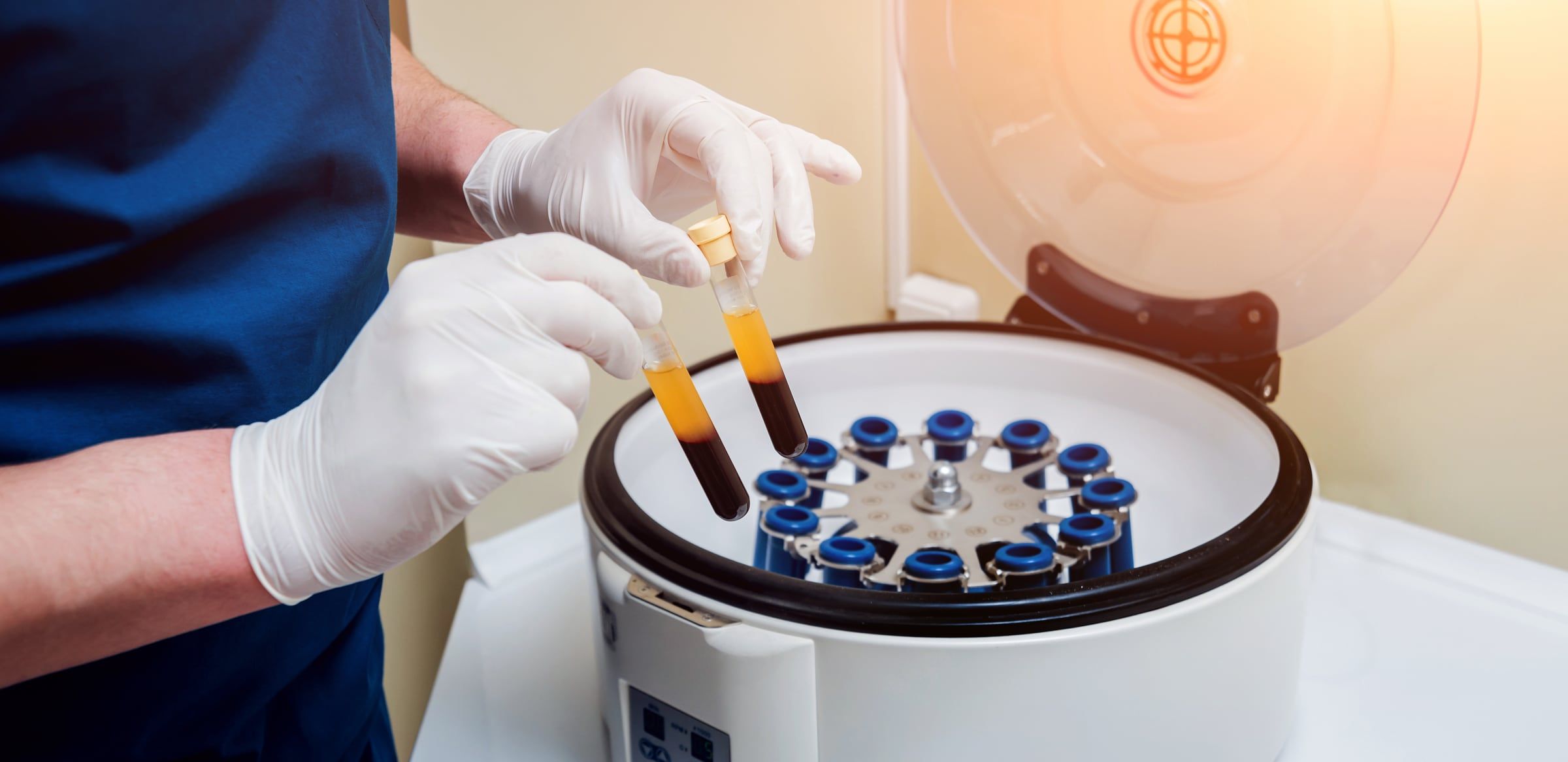
What is PRP?
PRP, or Platelet-Rich Plasma, is the liquid part of blood (plasma) that has been separated from the red blood cells and white blood cells and concentrated with a higher proportion of platelets than would normally be found in blood. Platelets are typically thought of as being important in the clotting of blood. However, they also contain large amounts of growth factors. These growth factors have a significant role in healing tissues after injuries. PRP can dramatically increase the concentration of platelets in the plasma and therefore increases the amount of growth factors as well.
How is PRP created?
PRP is made by drawing blood from a patient and then using a centrifuge to separate the different parts of the blood. The plasma and platelets are drawn up, and then plasma is removed until the desired concentration of platelets is achieved. Typically, effective levels of platelets are between 5 and 7 times the concentration found in normal blood. This highly concentrated plasma is then used for injection or other treatments in the same patient.
How does PRP work?
The increased concentration of platelets, and therefore growth factors, has been shown to speed up and enhance the body’s natural healing process. Using targeted injections of PRP, we can stimulate healing to occur exactly where it is needed. PRP is often referred to as regenerative medicine due to its ability to promote the body to heal tissues.
What can PRP treat?
PRP is emerging as an effective treatment for a variety of problems. Most traditionally, PRP has been used to treat sports and musculoskeletal injuries. Ligament and tendon strains are common uses, and many professional athletes have turned to PRP to help speed up recovery from injuries that used to be reserved for medications, physical therapy, or surgery. PRP treatments have been shown to be effective for joint pain due to osteoarthritis or wear-and-tear injuries that may typically require steroid injections or even surgery.
But that’s not all. PRP is often being used for cosmetic reasons as well. Treating the skin with PRP therapy can greatly reduce wrinkles, scars, and imperfections and help promote collagen repair that helps bring out more youthful-looking skin. PRP has also been shown to be very effective in promoting hair regrowth for problems with baldness or thinning hair.
PRP at Arktos Direct Care
At Arktos, we use PRP in a variety of ways. Dr. Hampton uses PRP as an enhancement to prolotherapy treatments for various musculoskeletal problems and also as targeted joint injections for pain from osteoarthritis. Dr. Yavari will often recommend PRP with microneedling procedures for a variety of skin issues. This treatment has become very popular and is sometimes referred to as a “PRP facial” or “golden mask.”
We have spent a lot of time researching the best options and systems to offer our patients the most effective PRP treatments available. That is why we use Rebound PRP® kits from Enso Doctors. This allows us to achieve the desired concentration of platelets compared to normal blood. It’s this concentration that gives our patients great results.
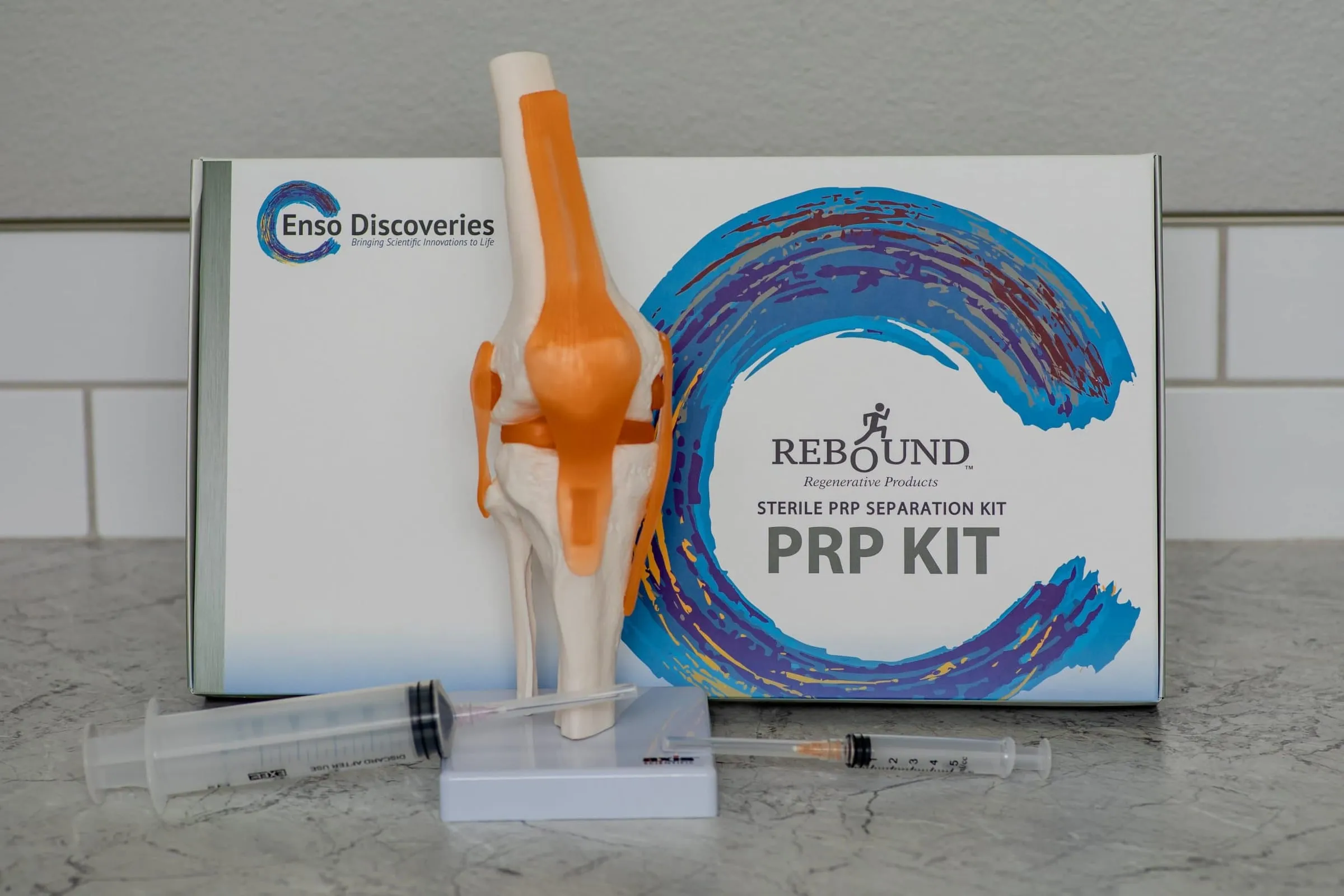
PRP is also used for PRP Erectile Treatment and PRP Vaginal Rejuvenation.
What should I do before my PRP procedure?
We ask that you drink lots of fluids before the procedure to stay hydrated; it makes it easier for the doctor to draw your blood. Other than that, no other preparation is needed. You can eat and drink normally. If you are having a prolotherapy with PRP procedure with Dr. Hampton, please stop using any NSAIDs like naproxen (Aleve) or ibuprofen (Motrin) for 2 weeks before your PRP procedure.
Call us today to set up a free consultation to discuss PRP treatments or to schedule your therapy.